For the Ga people of Accra and the Greater Accra Region, the Homowo Festival is one of the most meaningful cultural celebrations of the year. More than just a harvest festival, Homowo is a time when extended families come together to give thanks, reconnect, and strengthen the bonds that hold their communities together.
The word Homowo literally means “hooting at hunger” in the Ga language. It recalls a time in the community’s past when famine threatened their survival, and the people worked together, prayed, and ultimately celebrated a bountiful harvest. Today, that history is woven into every part of the festival, which is usually celebrated between August and September, depending on the Ga lunar calendar.
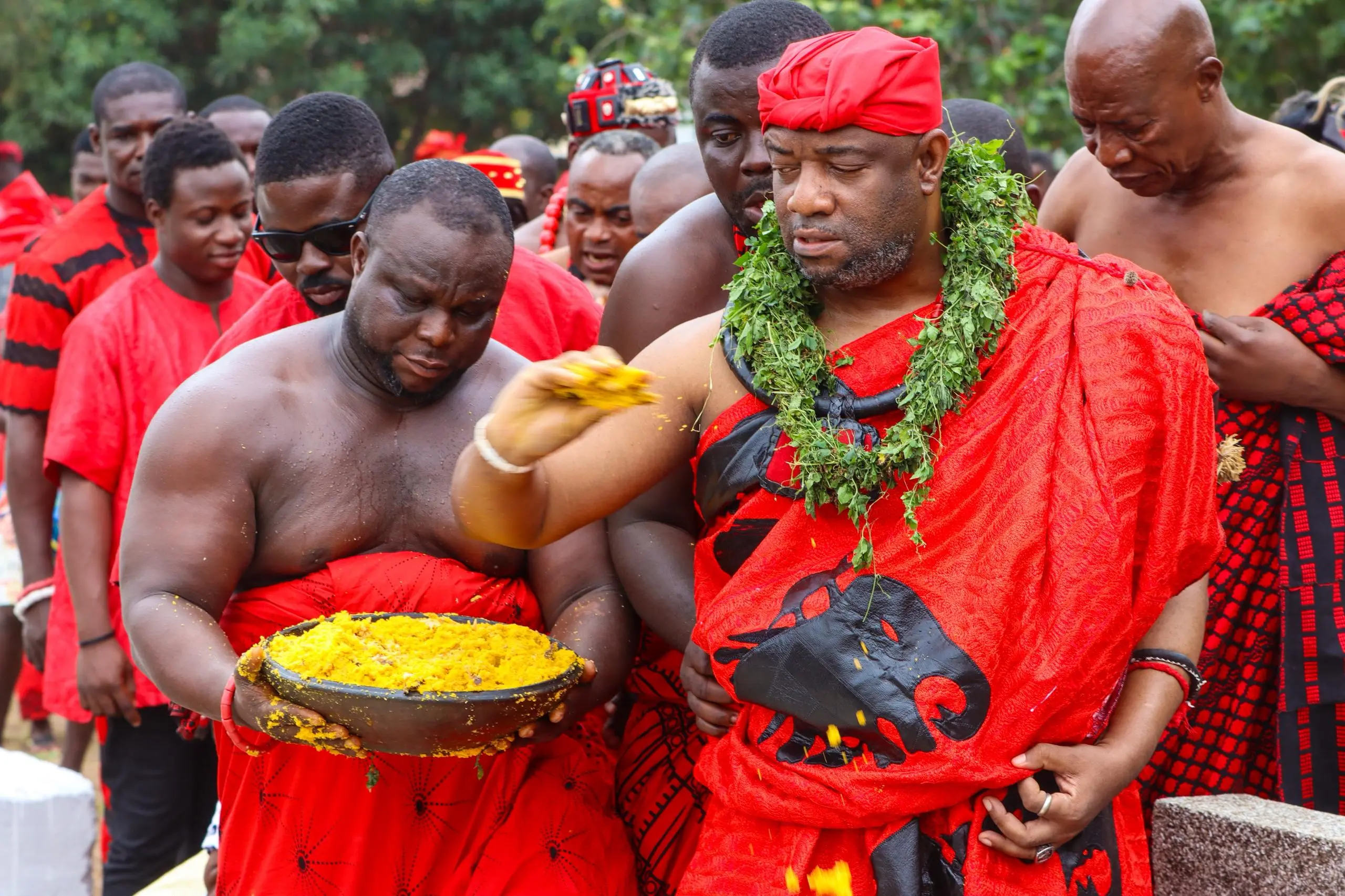
At the heart of Homowo is food and gratitude. Families prepare kpokpoi, a traditional dish made from steamed and fermented cornmeal served with palm nut soup or fish. This meal isn’t just a feast; it is a symbol of abundance and unity. Elders and family heads often sprinkle kpokpoi around homes, in the streets, and at special community spots, a ritual meant to honor ancestors, cleanse the community, and invite prosperity for the year ahead.
But the festival is much more than the food. Homowo is a time for gathering, when children, parents, and relatives living away from Accra return home. It’s common to see bustling households where generations share stories, laughter, and memories. Younger family members often seek blessings from elders, and everyone takes part in preparing meals and participating in the day’s ceremonies.
Streets across Ga towns like Ga-Mashie, Teshie, La, and Nungua fill with life during the festival. There’s a lively mix of drumming, chanting, dancing, and colorful attire, as communities march through neighborhoods in celebration. Traditional rhythms and dances like Kpanlogo, Adowa, and Agbadza animate the gatherings, connecting people to their heritage in a deeply joyful way.
This sense of unity also extends beyond the Ga community itself. In recent years, Homowo celebrations have drawn visitors, members of the Ghanaian diaspora, and even tourists who come to experience the vibrant culture firsthand. Activities like cultural exhibitions, food bazaars, and traditional art displays offer a glimpse into Ga-Dangme heritage and provide opportunities for cultural exchange.
Above all, Homowo reminds us that family and tradition are at the core of cultural identity. It’s a moment to pause, give thanks for what we have, reconnect with loved ones, and pass on the practices that define a people. Through shared meals, laughter, and ritual, families strengthen their ties and ensure that these treasured traditions endure for future generations.

General Post