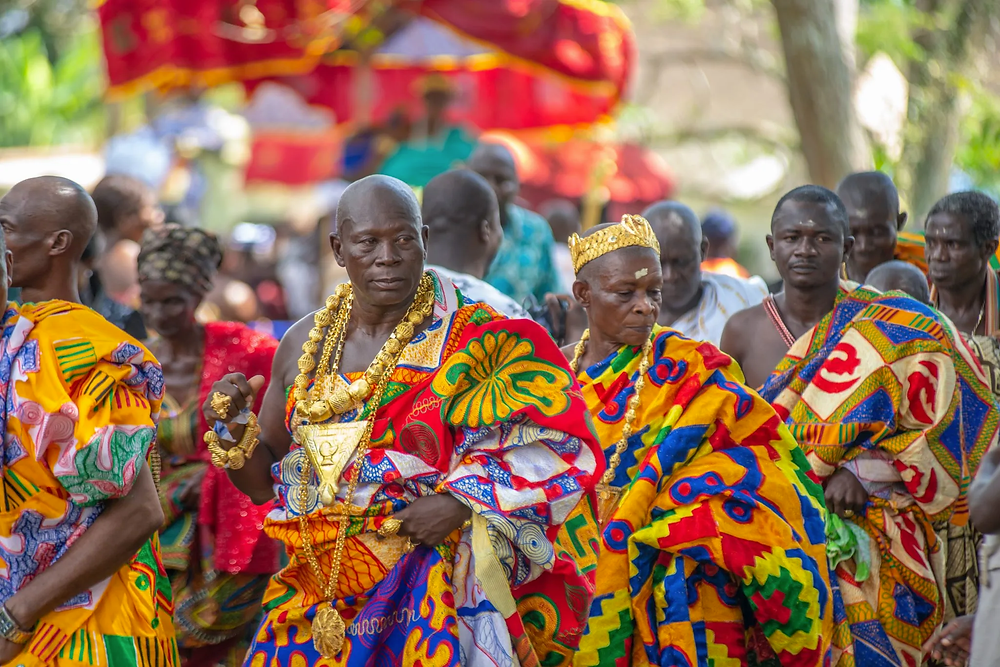
The Fetu Afahye Festival, celebrated annually in Cape Coast, stands as one of Ghana’s most powerful expressions of cultural pride and community unity. For the Fante people, this festival is not just a public celebration. It is a deeply rooted tradition that brings families together to honor their ancestors, renew communal bonds, and reaffirm shared values.
Fetu Afahye is traditionally observed in the late summer, often around September, and marks a period of purification and renewal for the community. The festival’s origins are closely tied to historical moments of hardship, including outbreaks of disease and social unrest. Through rituals of cleansing and remembrance, the people sought protection, healing, and guidance from their ancestors. Today, those same rituals continue, reminding families of the resilience and wisdom passed down through generations.
One of the most striking elements of Fetu Afahye is the sense of togetherness it creates. Families travel from near and far to return home to Cape Coast during the festival period. Homes that may have been quiet for months become lively again, filled with conversation, laughter, and shared meals. Elders take center stage, leading traditional rites and offering prayers, while younger generations observe, learn, and participate.
The festival features a rich blend of cultural activities. Colorful processions move through the streets, with chiefs, queen mothers, and traditional leaders dressed in regal kente and adorned with symbolic ornaments. Drumming, dancing, and chanting fill the air, creating an atmosphere that is both celebratory and reverent. Each performance, gesture, and symbol carries meaning, reflecting the history and values of the Fante people.
Beyond the public ceremonies, Fetu Afahye is also a time for reflection within families. Stories are shared about ancestors, past struggles, and moments of triumph. Children hear firsthand accounts of where they come from and why their traditions matter. These conversations, often held quietly in family homes, are just as important as the grand durbars and street celebrations.
In a modern world where cultural practices can easily fade, Fetu Afahye serves as a reminder of the importance of preservation. It shows how festivals can act as living classrooms, passing knowledge, values, and identity from one generation to the next. The festival reinforces the idea that culture survives not only through public display, but through family participation and shared memory.
At its core, Fetu Afahye is about connection. It connects the living to their ancestors, families to their communities, and the present generation to those yet to come. By coming together each year to celebrate, remember, and renew, families ensure that their heritage remains strong, relevant, and alive.

General Post