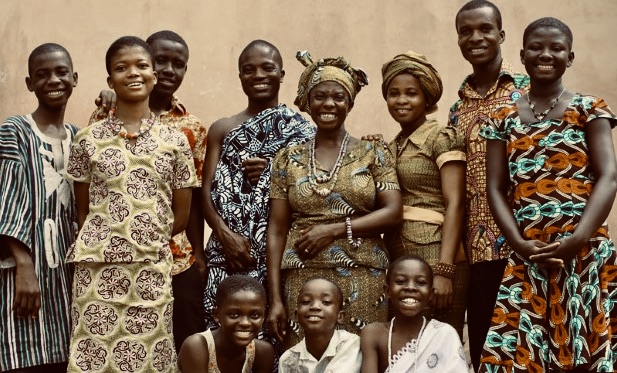
African family structures are rich and multi-layered, reflecting centuries of social wisdom. At their core, these structures are designed to maintain unity, harmony, and continuity within families and clans. They are not random hierarchies, but carefully organized systems that honor both matrilineal and patrilineal lineages, ensuring that each generation understands its place and responsibilities.
In many communities, clan leadership plays a central role. Elders, chiefs, and family heads are entrusted with preserving traditions, mediating disputes, and guiding younger members. Their authority is both symbolic and practical, rooted in the collective respect and trust of the family. These leaders ensure that decisions are made in the family’s best interest, that ancestral knowledge is passed down, and that rituals, ceremonies, and customs are observed.
Lineage systems—whether matrilineal, where inheritance and descent are traced through the mother, or patrilineal, where they follow the father’s line—are key to understanding family roles and responsibilities. Each system carries its own rules for succession, inheritance, and decision-making. Recognizing and documenting these structures helps younger generations appreciate the wisdom embedded in these traditions, while maintaining a clear sense of identity and belonging.
Understanding African family hierarchies is more than an academic exercise. It teaches respect, accountability, and the importance of shared responsibility. It ensures that children know their roots, that families retain cohesion across generations, and that cultural practices survive even in a rapidly changing world.
Platforms like HeritageTree Africa make it easier to capture these intricate relationships. Families can record leadership roles, lineage systems, and the stories behind them, creating a living archive that preserves both the structure and meaning of family connections.
By understanding and documenting family hierarchies, we honor the foresight of our ancestors. These systems were built to strengthen bonds, resolve conflicts, and ensure cultural continuity. Preserving them ensures that African families remain connected, resilient, and proud of their heritage for generations to come.

General Post