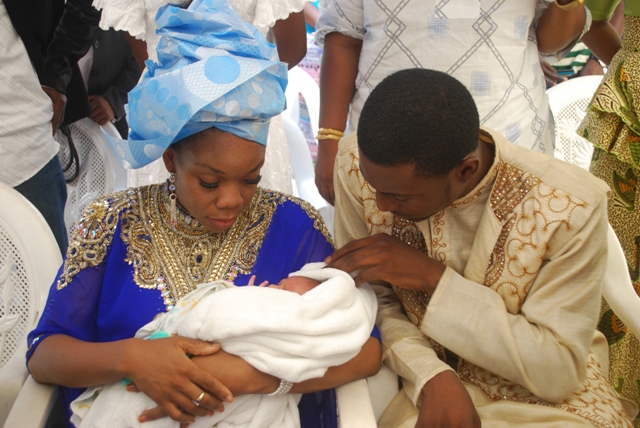
Across many Ghanaian cultures, naming ceremonies, commonly known as **outdooring**, are among the most cherished family traditions. They mark a child’s first formal introduction to the world and to the wider family, but their meaning goes far deeper than celebration alone. An outdooring ceremony is about identity, lineage, and continuity.
Traditionally held about eight days after a child’s birth, the ceremony reflects an important belief: that the child has safely arrived in the world and is ready to be welcomed into the community. Family elders, parents, and respected members of the clan gather to witness this moment, offering prayers, blessings, and guidance for the child’s life ahead.
At the heart of the ceremony is the **name** itself. In Ghanaian tradition, names are never random. Each one carries meaning, history, and intention. A child may be named after the day of the week they were born, a grandparent they resemble, an ancestor whose values the family hopes to honor, or an event that surrounded the child’s birth. In this way, a name becomes both a story and a prayer, linking the child to the past while shaping hopes for the future.
Naming a child after grandparents or great-grandparents is especially significant. It creates a living connection between generations, reminding families that ancestry is not something left behind, but something carried forward. Elders often take this moment to share stories about the namesake, passing down lessons, values, and memories that might otherwise fade with time.
Outdooring ceremonies are also deeply communal. Extended family members travel from near and far to be present, reinforcing the idea that raising a child is a shared responsibility. There is food, laughter, music, and storytelling, but also moments of quiet reflection as elders pour libation or speak words of wisdom. These gatherings strengthen family bonds and renew a shared commitment to cultural values.
In recent years, even as lifestyles change and families become more dispersed, many Ghanaians continue to prioritize outdooring ceremonies. Some blend tradition with modern elements, hosting ceremonies at home, event centers, or places of worship, while still preserving the symbolic rituals that give the occasion its meaning. This balance shows how cultural practices can adapt without losing their essence.
Ultimately, naming ceremonies remind us that family is at the core of who we are. Through outdooring, children are rooted in history, surrounded by love, and welcomed into a lineage that stretches far beyond the present moment. It is a powerful way of ensuring that our traditions, values, and stories continue to live on through the next generation.

General Post